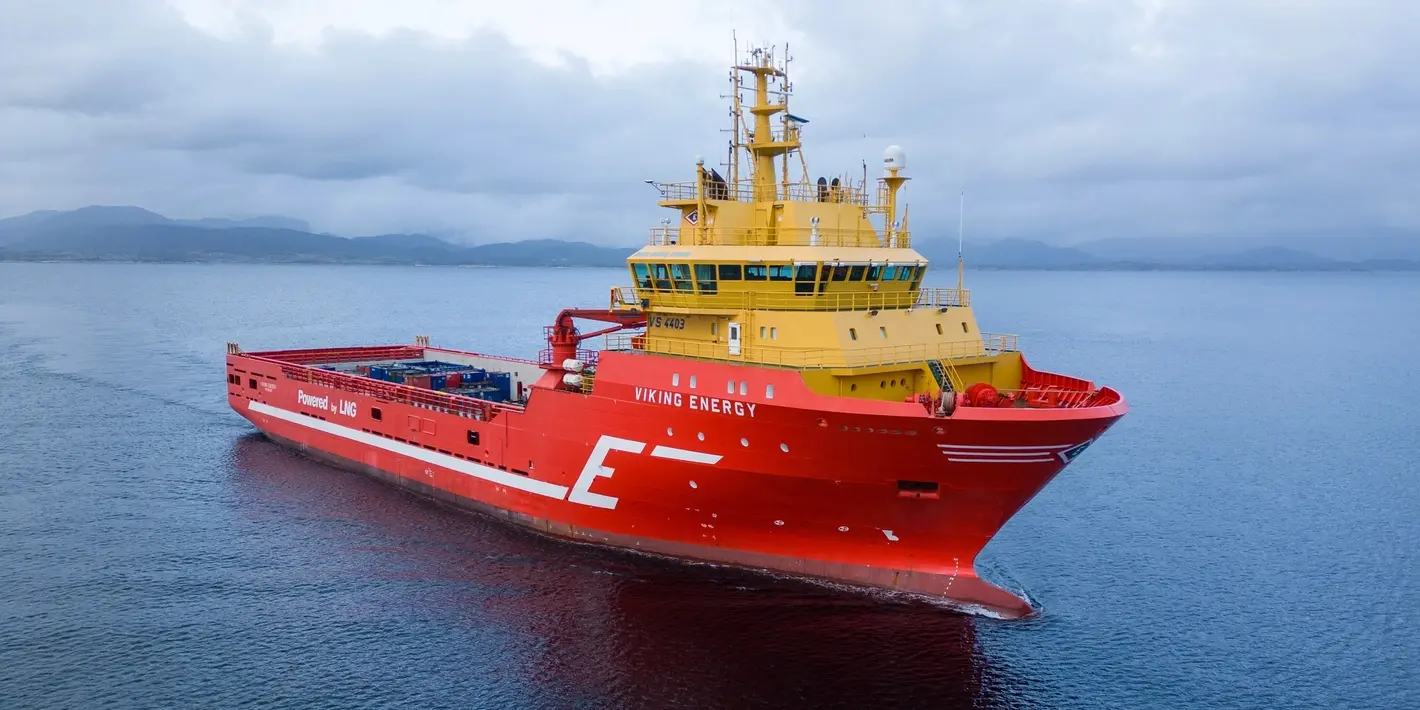
Nigeria’s marine sector is one of the most undervalued yet high-potential investment opportunities in Africa. With over 850km of coastline, strategic access to major global shipping routes, and a rapidly expanding economy, Nigeria sits at the heart of West Africa’s maritime trade.
As government reforms, private-sector participation, and infrastructure development accelerate, the Nigerian marine industry is becoming increasingly attractive to local and foreign investors.
Below are 10 compelling reasons why investing in the Nigerian marine sector makes strong economic sense.

1. Strategic Geographic Location
Nigeria occupies a prime position along the Gulf of Guinea, one of the world’s busiest maritime corridors. This location gives the country direct access to:
- West and Central African markets
- Major trans-Atlantic shipping routes
- Europe, the Americas, and Asia
Ports like Lagos, Onne, Warri, and Calabar serve as gateways for regional trade, making Nigeria a natural maritime hub. For investors, this translates to high cargo volumes, transit trade opportunities, and long-term demand.
2. Large and Growing Import–Export Market
Nigeria is Africa’s largest economy by population and one of its biggest importers. The marine sector supports:
- Importation of machinery, vehicles, food, and raw materials
- Export of oil, gas, agricultural produce, and solid minerals
With a population exceeding 200 million people, demand for imports remains strong, while non-oil exports are steadily increasing. This creates sustained demand for shipping, port services, logistics, and marine transportation.
3. Ongoing Port Reforms and Concessions
Over the years, Nigeria has implemented port concession programs that encourage private sector participation. These reforms have led to:
- Improved port efficiency
- Increased investment in terminals and equipment
- Reduced government monopoly
Private terminal operators now handle container terminals, bulk cargo, and oil & gas logistics, opening doors for investors in port operations, cargo handling, warehousing, and support services.
4. Massive Infrastructure Development
The Nigerian government and private investors are committing heavily to marine infrastructure, including:
- Lekki Deep Sea Port (one of the largest in West Africa)
- Port expansion and modernization projects
- Inland container depots and dry ports
These developments reduce congestion, increase vessel capacity, and create new opportunities across the maritime value chain — from construction and engineering to port services and logistics.
5. Strong Demand for Marine Logistics and Support Services
Beyond shipping, the marine sector supports a wide ecosystem, including:
- Marine transportation
- Tug and barge services
- Ship chandling and supplies
- Offshore logistics for oil & gas
Nigeria’s offshore oil and gas industry alone drives consistent demand for marine vessels, crew services, maintenance, and logistics support, making this segment especially attractive for investors.
6. Government Support for the Blue Economy
Nigeria is increasingly embracing the blue economy concept, which focuses on sustainable use of ocean resources for economic growth.
Government initiatives now emphasize:
- Maritime security
- Coastal tourism
- Fisheries and aquaculture
- Shipbuilding and repairs
Agencies like NIMASA (Nigerian Maritime Administration and Safety Agency) and NPA (Nigerian Ports Authority) are aligning policies to encourage investment, safety, and growth in the marine sector.
7. Growing Inland Waterway Transportation
Nigeria has over 3,000km of navigable inland waterways, yet road transport still dominates logistics. This gap presents a huge opportunity.
Inland waterways offer:
- Lower transportation costs
- Reduced road congestion
- Safer movement of bulk cargo
Investments in river ports, barges, ferries, and water transport services are increasingly viable as businesses and governments seek alternatives to overstretched roads.
8. Rising Foreign Direct Investment Interest
Nigeria continues to attract international investors in maritime and logistics due to:
- High cargo throughput potential
- Regional trade dominance
- Entry into the African Continental Free Trade Area (AfCFTA)
As AfCFTA boosts intra-African trade, Nigeria’s ports and marine services will play a central role, increasing cargo volumes, vessel traffic, and revenue opportunities.
9. Untapped Shipbuilding and Ship Repair Market
Nigeria currently spends billions of dollars annually on foreign ship repairs. Local capacity remains limited, creating a huge gap.
Investing in:
- Shipyards
- Dry docks
- Marine engineering facilities
can significantly reduce capital flight while meeting local demand. With the right partnerships and technology transfer, shipbuilding and repairs represent a high-value, long-term investment opportunity.
10. High Employment and Economic Multiplier Effect
The marine sector has one of the strongest multiplier effects in the economy. It supports:
- Direct jobs (seafarers, engineers, dockworkers)
- Indirect jobs (logistics, insurance, finance, trade)
- Ancillary industries (manufacturing, agriculture, retail)
For investors, this means strong policy support, social impact benefits, and long-term sector resilience.
Key Investment Areas in the Nigerian Marine Sector
Investors can explore opportunities in:
- Port terminal operations
- Marine logistics and transportation
- Inland waterways and ferry services
- Shipbuilding and repairs
- Offshore oil & gas marine support
- Warehousing and cold-chain logistics
Each segment offers different risk profiles and return timelines, allowing both large and mid-scale investors to participate.
Challenges to Consider (and Why They’re Manageable)
Like any emerging market, Nigeria’s marine sector faces challenges such as:
- Regulatory complexity
- Infrastructure gaps
- Security concerns
However, ongoing reforms, public-private partnerships, and improved maritime security have significantly reduced these risks, making early entry investors well-positioned for future gains.
Why Now Is the Best Time to Invest
The Nigerian marine sector is transitioning from potential to performance. With strategic location, rising trade volumes, infrastructure investments, and government support, the sector offers long-term, scalable, and diversified investment opportunities.
For investors willing to take a forward-looking approach, Nigeria’s marine industry represents not just profit, but a chance to participate in the transformation of Africa’s maritime future.
Image Credit: Equinor