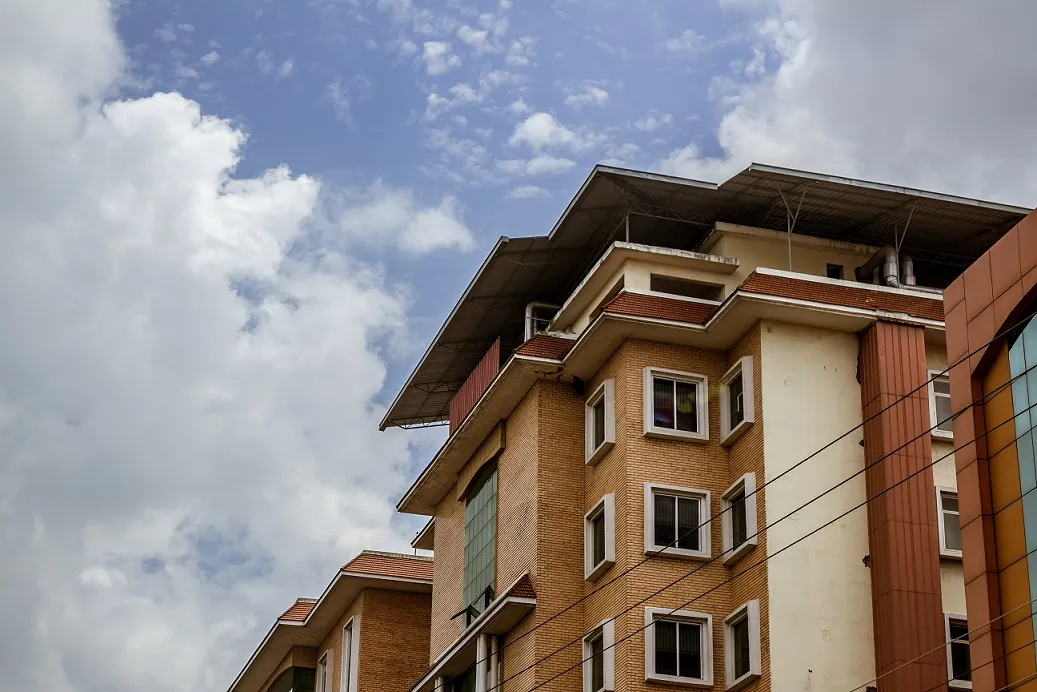
Nigeria is facing a severe rental crisis that is rapidly reshaping urban life. In major cities like Lagos, Abuja, and Port Harcourt, the cost of rent has surged dramatically, leaving millions of Nigerians struggling to secure decent housing. What used to be a manageable expense has now become one of the largest financial burdens for households.
In many urban areas, rents have increased multiple times within just a few years, while wages have remained relatively stagnant. This has created a widening gap between income and housing costs, with some households spending a significant portion of their income on rent—far above globally recommended levels.
At its core, the crisis is driven by a massive housing deficit, rising construction costs, weak housing finance systems, and rapid urban migration. While long-term solutions like mass housing development are necessary, Nigeria urgently needs short-term interventions to stabilize the rental market and provide immediate relief to tenants.

Below are 10 practical short-term solutions that can help ease Nigeria’s rental crisis.
1. Enforce Standardized Rental Practices
One of the biggest issues in Nigeria’s rental market is the lack of uniformity. Tenants are often subjected to multiple charges—agency fees, agreement fees, inspection fees, and other costs—with little regulation.
Short-term solution:
- Enforce standardized rental charges
- Cap agency and legal fees
- Introduce transparent rental agreements
This can significantly reduce the upfront cost of renting.
2. Promote Monthly and Quarterly Rent Payments
Nigeria’s yearly rent system is a major barrier for many people, especially young workers and small business owners.
Short-term solution:
- Encourage monthly or quarterly rent payments
- Provide incentives to landlords who adopt flexible payment structures
This improves affordability immediately without increasing housing supply.
3. Expand Rent-to-Own Schemes
Rent-to-own programs allow tenants to gradually transition into homeowners over time.
Short-term solution:
- Scale rent-to-own programs nationwide
- Partner with private developers
- Target middle-income earners
This reduces pressure on the rental market while increasing homeownership.
4. Convert Empty Properties into Rental Housing
Many urban areas have vacant properties that remain unused while housing demand continues to grow.
Short-term solution:
- Encourage landlords to rent out vacant units
- Introduce incentives for occupancy
- Discourage long-term vacancy through policy measures
This helps increase available housing supply quickly.
5. Regulate Short-Term Rentals
Short-let platforms can reduce the number of homes available for long-term renting.
Short-term solution:
- Introduce guidelines for short-term rental operations
- Encourage balanced use between short-term and long-term rentals
This ensures more housing units remain accessible to long-term tenants.
6. Support Co-Living and Shared Housing
Shared housing is becoming a practical solution for affordability, especially among young professionals.
Short-term solution:
- Promote co-living arrangements
- Encourage landlords to design shared housing spaces
- Standardize agreements for shared living
This reduces individual rent burdens while maintaining decent living standards.
7. Fast-Track Building Approvals
Delays in land registration and approvals increase development costs and slow housing supply.
Short-term solution:
- Simplify approval processes
- Digitize land and property systems
- Reduce bureaucratic delays
Faster approvals can quickly increase the number of available rental units.
8. Reduce Construction Costs
High building costs discourage developers from creating affordable housing.
Short-term solution:
- Support local production of building materials
- Reduce costs associated with construction inputs
- Encourage cost-efficient building methods
Lower costs can translate into more affordable rental housing.
9. Improve Access to Housing Finance
Limited access to financing makes it difficult for individuals to transition from renting to owning homes.
Short-term solution:
- Expand access to low-interest housing loans
- Improve housing finance systems
- Support smaller, flexible loan options
This helps reduce long-term dependence on rental housing.
10. Encourage Public-Private Partnerships
Collaboration between government and private developers is essential to address housing shortages.
Short-term solution:
- Partner with private developers for affordable housing
- Provide land and infrastructure support
- Share investment risks
This can accelerate housing development and increase supply.
The Bigger Picture: Supply Is the Core Challenge
At its core, Nigeria’s rental crisis is driven by insufficient housing supply relative to demand. Rapid urbanization, population growth, and migration to major cities continue to increase demand for rental housing.
At the same time, many developers focus on high-end properties, leaving a gap in affordable housing options. This imbalance makes it difficult for average Nigerians to find reasonably priced accommodation.
The Human Impact of the Crisis
The effects of the rental crisis extend beyond finances. Many people are forced to live farther from their workplaces, leading to long daily commutes. Others delay moving out or share overcrowded spaces to reduce costs.
For many households, rising rent means cutting back on other essential needs, affecting overall quality of life.
Nigeria’s rental crisis is complex but solvable. While long-term solutions like large-scale housing development are critical, short-term actions can provide immediate relief.
A combination of policy reforms, private sector involvement, and improved financial systems can help stabilize the market. These 10 short-term solutions offer practical steps toward reducing rental pressure, improving affordability, and increasing access to housing.
Ultimately, addressing the crisis requires a shift toward building housing that meets the needs of the majority, not just high-income earners. Until then, the gap between income and rent will continue to challenge millions of Nigerians seeking affordable living.
Sell and buy anything in Nigeria on Naijaspider.com