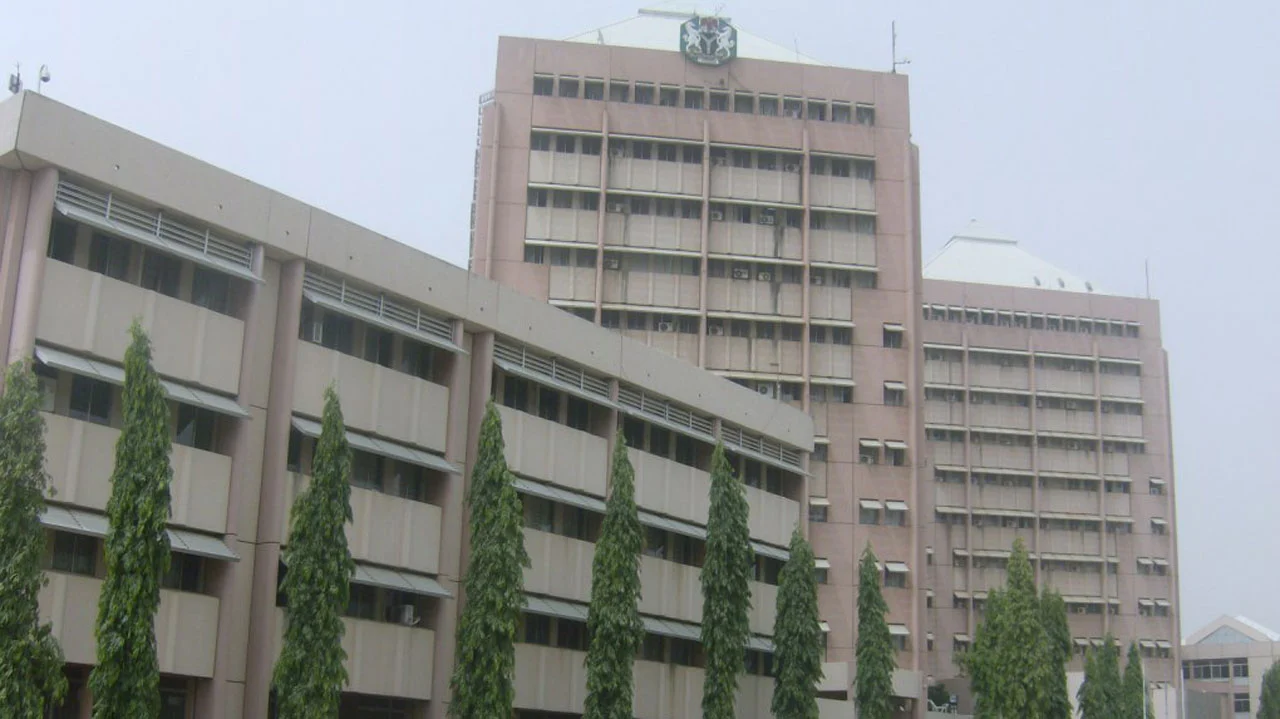
The Central Area of Abuja is the heart of Nigeria’s capital city, encompassing the city’s main administrative, commercial, and cultural zones. It serves as the hub for government offices, corporate institutions, embassies, and national landmarks, making it one of the most important districts in the Federal Capital Territory (FCT).
Location and Accessibility
The Central Area is strategically located within the city, connecting surrounding districts such as Wuse, Garki, Maitama, and Asokoro. It boasts excellent road infrastructure, including major thoroughfares that provide smooth access to both northern and southern parts of Abuja. Public transport, taxis, and ride-hailing services are widely available, facilitating movement for workers, residents, and visitors.
Infrastructure and Amenities
Being the administrative and commercial center, the Central Area is highly developed, with well-paved roads, reliable electricity supply, and robust telecommunications coverage. Street lighting, signage, and pedestrian pathways are maintained to support daily traffic and city activity.
Residents and visitors benefit from an abundance of amenities, including shopping centers, banks, post offices, hotels, restaurants, and government service centers. The district is also home to recreational facilities, cultural centers, and public parks.
Business and Commercial Activity
The Central Area is a major business hub in Abuja. Corporate offices, government ministries, and embassies dominate the skyline, while small and medium-sized enterprises thrive in nearby streets. The area experiences significant daily foot and vehicle traffic, contributing to a lively and dynamic environment.
Daily commerce includes retail shops, eateries, cafés, financial services, and professional services, catering to both office workers and visitors. The district is also central to Abuja’s conference and event venues, attracting business travelers and tourists alike.
Education and Healthcare
The Central Area provides access to a range of educational institutions, including primary and secondary schools, language centers, and professional training institutes. Higher education campuses and specialized training centers are easily accessible from nearby districts.
Healthcare facilities include clinics, diagnostic centers, and hospitals, ensuring that medical services are readily available for workers and residents in the district.
Recreation and Lifestyle
Though highly commercial, the Central Area offers opportunities for leisure and recreation. Parks, gardens, cultural centers, and eateries provide spaces for relaxation and social interaction. Residents and visitors can enjoy shopping malls, cinema complexes, and sports facilities in the surrounding areas.
Safety and Community
The Central Area benefits from high security due to its concentration of government institutions, corporate offices, and diplomatic missions. Security personnel, surveillance systems, and regular patrols ensure a safe environment. The district attracts a professional and transient population, including civil servants, business executives, and tourists, contributing to a dynamic yet orderly atmosphere.
Why the Central Area Matters
The Central Area of Abuja is the city’s administrative and commercial heartbeat. It combines accessibility, business activity, and cultural significance, making it essential for anyone navigating the capital. Its strategic location, infrastructure, and vibrant daily activity make it a cornerstone of Abuja’s urban landscape.
Property Listings
Rental houses | House Listings | Flats listings | Flats Rentals | Land Listings