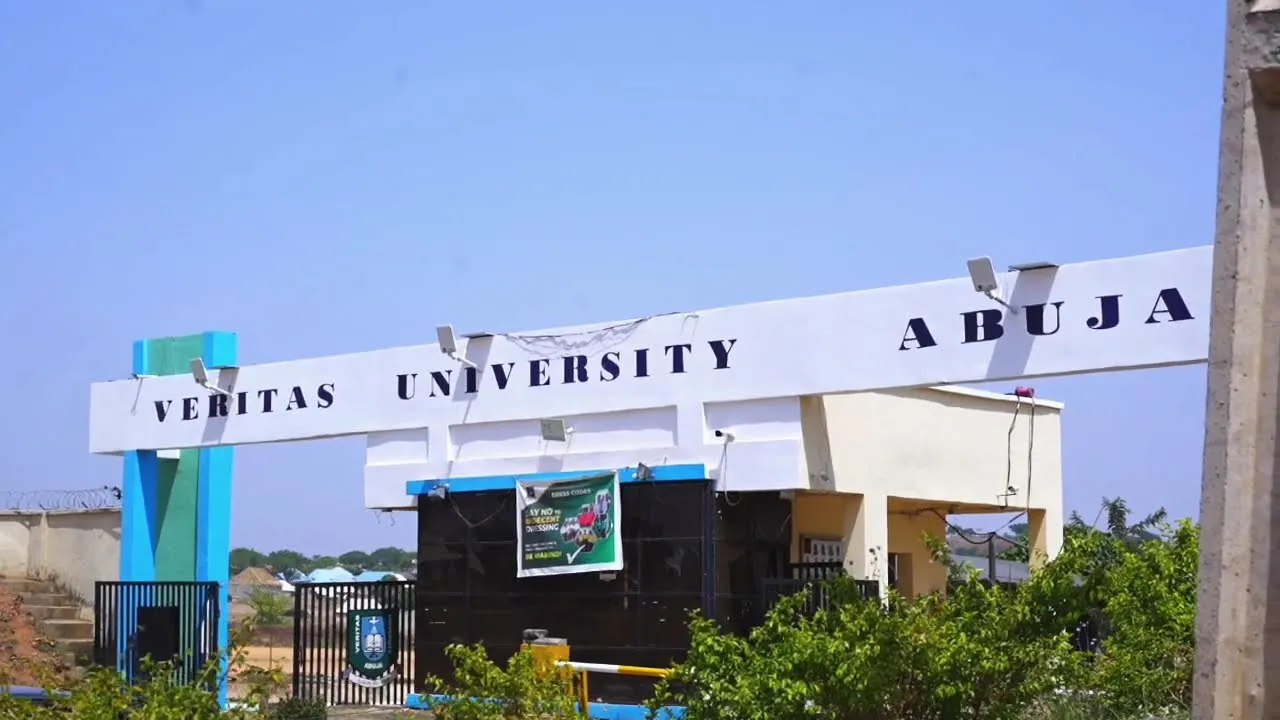
Bwari is a district located in the Federal Capital Territory (FCT), Abuja, Nigeria. It serves as the administrative headquarters of Bwari Area Council, one of the six area councils within the FCT. The district is situated in the north-western part of Abuja and functions as a satellite town supporting the wider metropolitan area.
Location and Geography
Bwari is located approximately 40 kilometres northwest of Abuja’s Central Area. It is connected to other parts of the city through arterial roads linking it to Kubwa, Dutse, Gwagwalada, and the Abuja–Kaduna highway. The area features a mix of urban settlements and natural landscapes typical of the FCT’s northern axis.
Administrative Significance
As the headquarters of Bwari Area Council, the district hosts local government offices responsible for administrative functions, public services, and community development within the council’s jurisdiction. These responsibilities cover several towns and villages across the area council.
Historical Background
Bwari is one of the older settlements within the present-day FCT. The town existed prior to the establishment of Abuja as Nigeria’s capital and has retained elements of its traditional structure alongside modern development. Indigenous communities continue to play an important role in local governance and cultural practices.
Education and Institutions
Bwari is notable for hosting several major national and educational institutions, including:
- Nigerian Law School (Bwari Campus)
- Joint Admissions and Matriculation Board (JAMB) Headquarters
- Veritas University
- Public and private primary and secondary schools
These institutions contribute to the district’s population composition and daily activities.
Population and Demographics
The population of Bwari includes:
- Indigenous residents
- Civil servants
- Academic and administrative workers
- Students
- Traders and artisans
This mix reflects the district’s administrative and educational functions within Abuja.
Economic Activity
Economic activity in Bwari is largely service-based and informal, consisting of:
- Local markets
- Retail shops
- Food services
- Transportation services
- Small-scale enterprises
Government and educational institutions also contribute to employment opportunities in the area.
Transportation
Transportation within Bwari and to other parts of Abuja is primarily road-based. Common modes of transport include:
- Commercial buses and minibuses
- Taxis and ride-hailing services
- Private vehicles
Road links connect the district to neighbouring areas and central Abuja.
Infrastructure and Public Services
Infrastructure development in Bwari includes:
- Road networks
- Electricity distribution
- Water supply systems
- Telecommunications services
Service availability varies across neighbourhoods, with higher concentration around institutional and administrative areas.
Security and Community Structure
Security in Bwari is managed through a combination of:
- Law enforcement agencies
- Local security groups
- Community associations
Community engagement remains an important aspect of maintaining order and addressing local concerns.
Role Within Abuja
Bwari contributes to Abuja’s urban system by:
- Supporting administrative governance
- Hosting national educational institutions
- Providing residential and service functions for the city
- Preserving traditional settlements within the FCT framework
Bwari, Abuja is a district defined by its administrative role, educational institutions, and historical roots. It functions as an important satellite town within the Federal Capital Territory, supporting Abuja’s growth while maintaining established community structures. district that connects the city’s past with its future.
Property Listings in Bwari
House Listings | Land Listings | Rental Houses | Flats Rentals