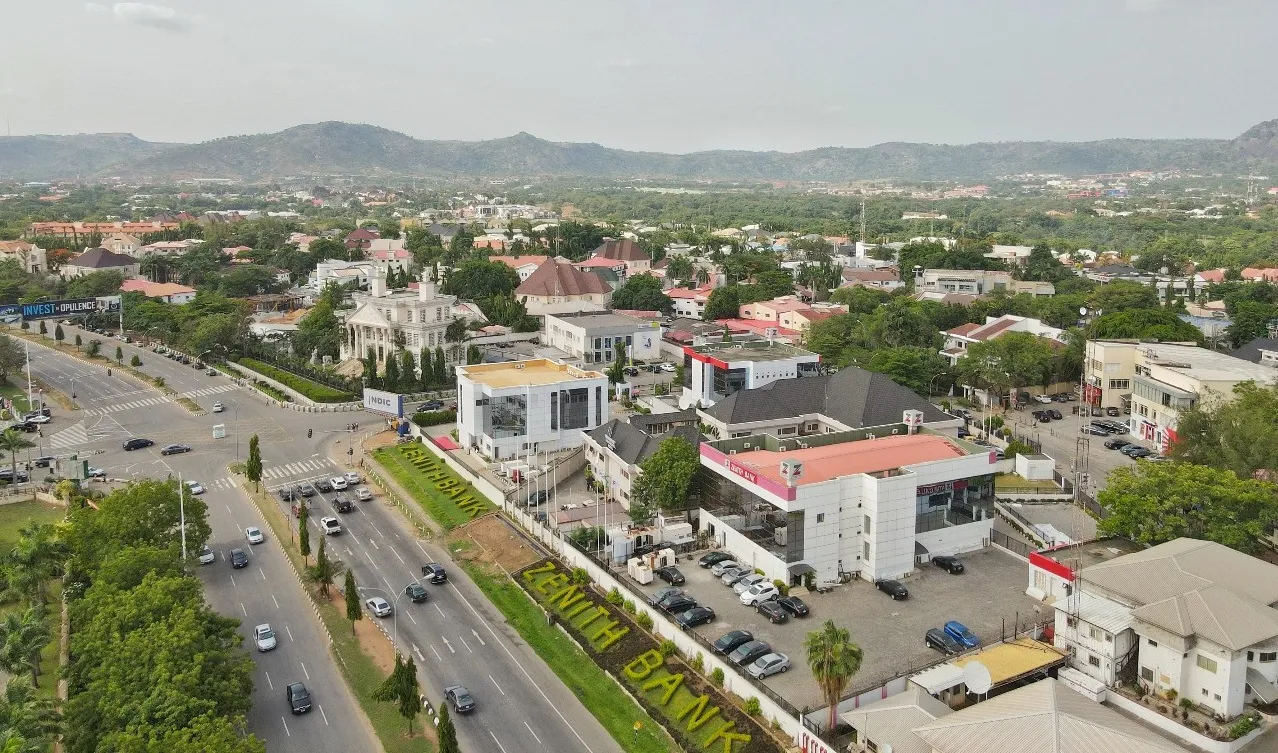
Jahi is a developing district in Phase 2 of Abuja, Nigeria’s Federal Capital Territory (FCT). Located northwest of the city centre and bordered by Gwarinpa, Katampe, Mabushi and Kado, it has grown from a quiet settlement into a modern urban community. With well‑planned streets, peaceful neighbourhoods and improving infrastructure, Jahi attracts families, young professionals and investors seeking a balanced lifestyle.
Location & Accessibility in Jahi
Strategically positioned, Jahi provides easy access to major roads including the Murtala Mohammed Expressway, Ahmadu Bello Way and the Katampe–Jahi Link Road. Residents enjoy convenient commutes to nearby districts such as:
- Wuse – Central commercial and business hub
- Jabi – Leisure, shopping and recreation
- Abuja Central Business District (CBD) – Government & corporate offices
Public transport options include taxis, buses, tricycles and ride‑hailing services like Uber and Bolt, making daily travel simple and stress‑free.
Living & Lifestyle in Jahi
Community & Residential Life
Jahi offers a calm, organised and family‑friendly lifestyle. Its quiet streets and green spaces provide suburban charm, while local amenities support modern urban living.
Recreation & Social Life
- Cafés & Restaurants: Crave Lounge, Sketch Café, Hootas Restaurant
- Parks & Green Spaces: Community parks for jogging, cycling and family outings
- Evening Life: Eateries and lounges create a lively yet tranquil atmosphere
Schools, Healthcare & Local Amenities
Education
Jahi hosts reputable schools for local and expatriate families:
- Crescent Pearls International School
- Kingscare Universal School
- Brookstone International Foundation School
- Cedarwood Academy
These schools offer Nigerian and British curricula, ensuring educational options close to home.
Healthcare
Access includes private clinics, pharmacies and larger hospitals in nearby Gwarinpa and Mabushi.
Shopping & Services
- Local Market: Jahi Market for groceries and fresh produce
- Nearby Retail: Next Cash & Carry, Jabi Lake Mall
- Services: Banks, salons, laundries and fitness centres
Security in Jahi
Security is generally strong, supported by:
- Local vigilance groups
- Estate security guards
- Police patrols from nearby divisions
Many estates are gated and well‑organised, providing residents with peace of mind and a safe environment.
Transport & Commuting
Jahi’s connectivity makes it ideal for city workers and students:
- Quick access to Wuse, Katampe, Jabi and the CBD
- Smooth commutes with minimal congestion compared to busier districts
- Widespread ride‑hailing services, taxis and public buses
Places of Worship
Jahi supports a diverse community with multiple places of worship:
- RCCG Cornerstone Parish
- Catholic Church of the Presentation
- Jahi Central Mosque
These local institutions contribute to a strong sense of community and cultural balance.
Why Jahi Stands Out
- Balanced Lifestyle: Peaceful suburban charm coupled with modern urban amenities
- Infrastructure Growth: Roads, electricity and drainage systems are steadily improving
- Family‑Friendly: Safe, well‑organised streets and highly regarded schools
- Strong Connectivity: Well‑connected to key Abuja districts
Pros & Cons of Living in Jahi
Pros:
- Calm, organised environment
- Strong community and security
- Quality schools and healthcare options
- Easy access to major commercial districts
Cons:
- Some areas still experience inconsistent power supply
- Limited large‑scale entertainment venues compared with older districts
- Infrastructure remains under development in certain pockets
Frequently Asked Questions (FAQs) About Jahi, Abuja
1. Is Jahi a safe place to live?
Yes, Jahi is generally safe — estate security, local vigilance groups and police presence help maintain safety in the district.
2. What schools are available in Jahi?
Reputable schools include Crescent Pearls International School, Kingscare Universal School, Brookstone International Foundation School and Cedarwood Academy.
3. How accessible is Jahi to Abuja’s CBD?
Very: major roads such as the Murtala Mohammed Expressway and Ahmadu Bello Way link Jahi to the city centre, complemented by ride‑hailing, taxis and buses.
4. Are there good recreation or shopping options in Jahi?
Yes — outdoor parks, cafés, lounges and proximity to Jabi Lake Mall plus local services make the area well‑rounded for families and professionals.
Yes, community parks, cafés, lounges, and nearby shopping centers offer leisure and entertainment options.
[leaflet-map lat=9.1068 lng=7.4476 zoom=12]
[leaflet-marker]Jahi, Abuja [/leaflet-marker]
Why Jahi Stands Out
What makes Jahi truly unique is its balance between development and livability. It’s not just a residential extension of Abuja — it’s a community in its own right.
Key reasons people are moving to Jahi include:
- Tranquility and Clean Environment – The district is calm, organized, and less polluted.
- Proximity to Workplaces – It’s strategically located near key employment centers.
- Growing Social Scene – New restaurants and recreation spots continue to emerge.
- Modern Estates – Gated communities offer comfort, security, and privacy.
- Affordable Luxury – You get better space and modern amenities for less than in central districts.
Property Listings