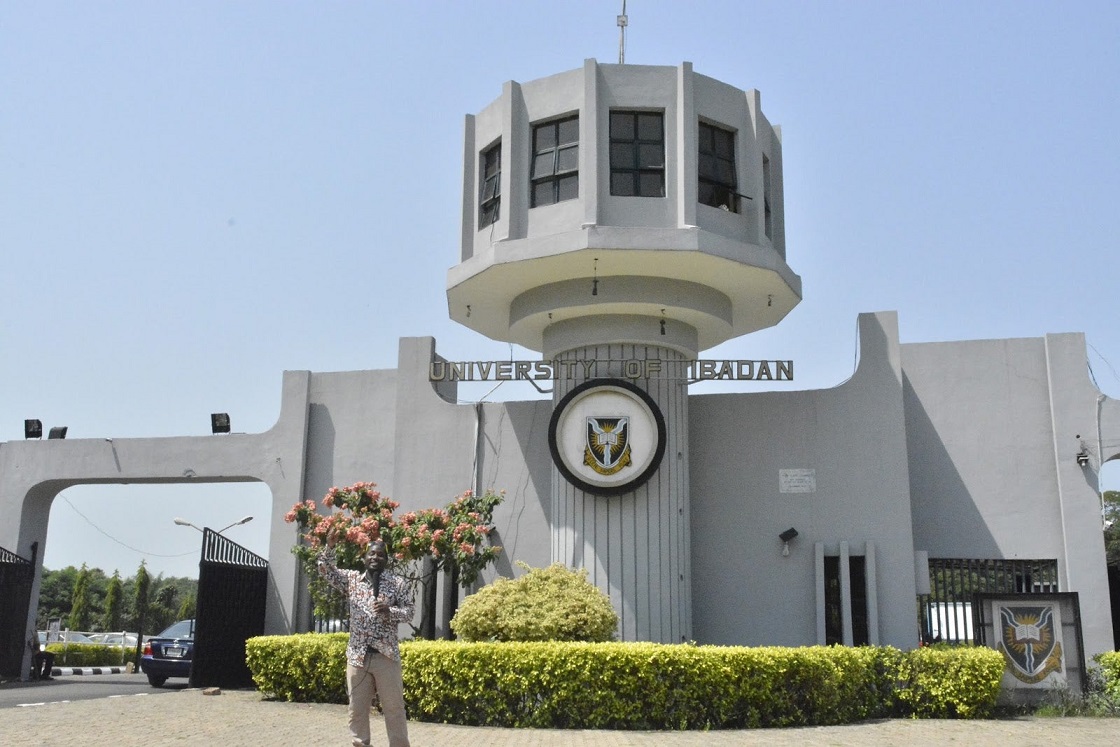
Ibadan is the capital city of Oyo State and one of the most historically significant and geographically expansive cities in Nigeria. Located in the southwestern region of the country, Ibadan is widely recognized for its cultural heritage, academic prominence, and role as a major urban center linking Lagos to many inland states. Over the decades, the city has grown from a traditional settlement into a vast metropolitan area, while still preserving strong ties to its past.
Today, Ibadan stands as a blend of old and new—where historic neighborhoods, educational institutions, markets, and modern infrastructure coexist across a large urban landscape.
Location & Regional Setting
Ibadan is situated approximately 120 kilometers northeast of Lagos, making it a strategic inland city for trade, travel, and administration. Its location places it between Nigeria’s coastal regions and the northern parts of the country, which has historically contributed to its importance as a transit and commercial hub.
The city is bordered by several local government areas and towns, including:
- Ido
- Akinyele
- Lagelu
- Ona Ara
- Egbeda
- Oluyole
Ibadan’s position within southwestern Nigeria makes it easily accessible from major cities such as Lagos, Abeokuta, Ogbomosho, Osogbo, and Ilorin.
Geography & Natural Landscape
Ibadan covers one of the largest land areas of any city in Nigeria. Its terrain is characterized by gently rolling hills, valleys, and plains. This geography influenced early settlement patterns, with many historic communities forming around elevated areas for defense and visibility.
The city lies within a transition zone between forest and savannah vegetation. As a result, Ibadan benefits from fertile land, greenery, and agricultural potential in surrounding areas. Rivers and seasonal streams run through parts of the city, contributing to its natural drainage and landscape.
Historical Background
Ibadan’s history dates back to the early 19th century. It was originally established as a military camp and later developed into a powerful city-state in Yoruba history. Over time, Ibadan became known for its military strength, political influence, and ability to attract people from surrounding regions.
During the colonial era, Ibadan emerged as an important administrative and educational center. Many early government offices, schools, and institutions were established in the city, laying the foundation for its long-standing reputation as a center of learning and governance.
Traditional leadership structures, such as the Olubadan system, remain a key part of the city’s identity and cultural continuity.
Population & Urban Development
Ibadan is one of Nigeria’s most populous cities, with millions of residents spread across multiple local government areas. The city’s size allows for a wide range of residential, commercial, and institutional zones.
Urban development in Ibadan can broadly be described as:
- Inner-city areas with dense populations and historic neighborhoods
- Mid-density districts with mixed residential and commercial activity
- Outer zones and suburbs experiencing gradual expansion
While some parts of the city are highly active and crowded, others offer quieter, more laid-back environments. This diversity makes Ibadan suitable for different lifestyles and economic activities.
Transportation & Connectivity
Ibadan is a major transportation hub in southwestern Nigeria. Its road and rail connections make it a key gateway between Lagos and many inland regions.
Major roads serving the city include:
- Lagos–Ibadan Expressway
- Ibadan–Ife Road
- Ibadan–Oyo–Ilorin Road
- Ibadan–Iseyin Road
The Lagos–Ibadan standard gauge railway has significantly improved rail connectivity, offering faster and more reliable travel between Ibadan and Lagos. This rail line also supports the movement of goods and services.
Within the city, transportation options include buses, taxis, motorcycles, tricycles, and private vehicles, providing flexibility for daily movement.
Economy & Commercial Life
Ibadan has a diverse and resilient economy supported by commerce, education, agriculture, manufacturing, and services. Historically, the city has been a major center for agricultural trade, particularly in cocoa, yam, maize, cassava, and vegetables.
Economic activities in Ibadan include:
- Wholesale and retail trading
- Agricultural processing and distribution
- Education and research services
- Healthcare and professional services
- Small- and medium-scale manufacturing
Large traditional markets play a central role in daily economic life, serving as hubs for trade and social interaction.
Education & Academic Influence
Ibadan is widely regarded as one of Nigeria’s leading educational cities. It is home to several prominent institutions that attract students and scholars from across the country and beyond.
Notable institutions include:
- University of Ibadan (Nigeria’s first university)
- The Polytechnic, Ibadan
- Lead City University
- Dominican University
- Colleges of education and research institutes
The presence of these institutions has shaped the city’s culture, economy, and population structure, contributing to a strong academic and intellectual environment.
Healthcare & Public Infrastructure
Ibadan hosts a wide range of healthcare facilities, from community clinics to major teaching hospitals. The University College Hospital (UCH), Ibadan, is one of Nigeria’s most respected medical institutions and serves patients from across the country.
Healthcare services in the city include:
- Teaching hospitals
- Government hospitals
- Private hospitals and clinics
- Diagnostic and specialist centers
Public infrastructure such as schools, government offices, utility services, and transport facilities is spread across the city’s local government areas, supporting its large population.
Culture & Social Life
Ibadan has a strong cultural identity rooted in Yoruba traditions. Cultural festivals, traditional ceremonies, music, and cuisine remain integral to daily life.
Social life in Ibadan varies by area:
- Central districts tend to be lively and commercial
- Residential neighborhoods offer quieter, community-focused environments
- Academic zones have a youthful, student-driven atmosphere
The city is often described as more relaxed compared to Lagos, offering a slower pace of life while still providing access to urban conveniences.
Climate & Environment
Ibadan experiences a tropical climate with two main seasons: the rainy season and the dry season. Rainfall supports agriculture and greenery across the region, while the dry season brings warmer and drier conditions.
Environmental features include:
- Open spaces and natural hills
- Agricultural land on the city’s outskirts
- Expanding urban development into surrounding areas
As the city grows, efforts continue to manage environmental sustainability and infrastructure development.
Role Within Oyo State & Nigeria
Ibadan plays a central role in Oyo State as its administrative capital and largest city. It also serves as a regional connector between Lagos and many parts of northern and western Nigeria.
Its influence spans:
- Education and research
- Commerce and trade
- Transportation and logistics
- Culture and traditional governance
Ibadan’s scale, history, and strategic location ensure it remains one of Nigeria’s most important urban centers.
Ibadan is a city of depth and diversity—rich in history, culture, education, and economic activity. Its vast size accommodates a wide range of communities and lifestyles, while its institutions and infrastructure continue to shape its development.
As Nigeria evolves, Ibadan remains a key city that balances tradition with modern growth, making it an enduring pillar of southwestern Nigeria.
Property Listings